
What to Expect from a Comprehensive Chimney Inspection

Owning a fireplace or wood-burning stove in Melbourne brings warmth and comfort to your home. However, maintaining these features requires regular attention to ensure safety and efficiency. One of the most important maintenance tasks is a comprehensive chimney inspection. This process helps identify potential hazards, improve performance, and extend the life of your chimney system. In this article, I will guide you through what you can expect from a thorough chimney inspection and why it is essential for your home.
Understanding a Comprehensive Chimney Inspection
A comprehensive chimney inspection is a detailed examination of your chimney and fireplace system. It goes beyond a simple visual check and involves assessing the structure, components, and functionality. The goal is to detect any damage, blockages, or safety risks that could affect your home.
During the inspection, a certified technician will:
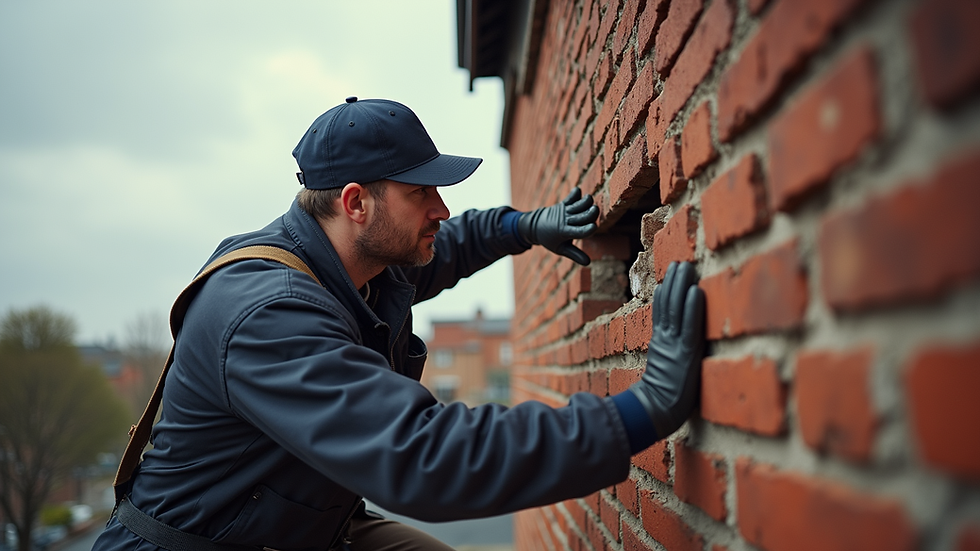
Examine the chimney exterior for cracks, deterioration, or loose bricks.
Inspect the chimney flue for creosote buildup, obstructions, or damage.
Check the chimney cap and crown for wear or missing parts.
Assess the fireplace or wood stove for proper installation and operation.
Evaluate the damper to ensure it opens and closes correctly.
Look for signs of water damage or leaks inside the chimney.
Test for proper draft and ventilation.
This thorough approach ensures that every aspect of your chimney system is evaluated. It helps prevent dangerous situations such as chimney fires, carbon monoxide leaks, and structural failures.
Why a Comprehensive Chimney Inspection Matters
Regular inspections are crucial for maintaining a safe and efficient fireplace or wood-burning stove. Here are some reasons why you should prioritize a comprehensive chimney inspection:
Safety First: A damaged or blocked chimney can cause smoke and harmful gases to enter your home. Inspections identify these risks early.
Prevent Fires: Creosote buildup is highly flammable. Removing it reduces the chance of chimney fires.
Improve Efficiency: A well-maintained chimney improves airflow, making your fireplace or stove burn cleaner and more efficiently.
Extend Lifespan: Detecting and repairing minor issues prevents costly damage and prolongs the life of your chimney.
Compliance: Some insurance policies and local regulations require regular chimney inspections.
By scheduling a professional chimney inspection, you protect your home and family while ensuring your heating system works at its best.
How much to get a chimney checked?
The cost of a chimney inspection in Melbourne can vary depending on several factors, including the size of your chimney, its condition, and the type of inspection required. Generally, you can expect to pay between $150 and $350 for a standard inspection.
Here are some factors that influence the price:
Inspection Level: There are three levels of chimney inspections:
Level 1: Basic visual inspection, usually during routine maintenance.
Level 2: More detailed, including the use of cameras to inspect the flue.
Level 3: Most comprehensive, involving removal of components to access hidden areas.
Chimney Height and Accessibility: Taller or hard-to-reach chimneys may require additional equipment and time.
Additional Services: If cleaning or repairs are needed, these will add to the overall cost.
It is wise to get a clear quote before the inspection and ask about what is included. Investing in a thorough inspection can save you money by preventing expensive repairs later.
What Happens After the Inspection?
Once the inspection is complete, the technician will provide you with a detailed report. This report will outline:
The current condition of your chimney and fireplace.
Any safety hazards or code violations found.
Recommendations for cleaning, repairs, or upgrades.
Estimated costs and timelines for any necessary work.
You should review this report carefully and ask questions if anything is unclear. Acting promptly on the recommendations will help maintain your chimney’s safety and performance.
If no issues are found, the technician will advise when your next inspection should be scheduled. Typically, annual inspections are recommended for active fireplaces and wood stoves.

How to Prepare for Your Chimney Inspection
Preparing your home for a chimney inspection can make the process smoother and more efficient. Here are some tips to help you get ready:
Clear the Area: Remove any furniture, rugs, or decorations near the fireplace or stove.
Provide Access: Ensure the technician can safely access the chimney exterior, roof, and attic if needed.
Gather Information: Have any previous inspection or repair records available.
Note Concerns: Write down any issues you have noticed, such as smoke backdrafts, strange odors, or noises.
Ensure Pets Are Secured: Keep pets away from the work area for safety.
Being prepared helps the technician perform a thorough inspection without delays.
Why Choose a Professional Chimney Inspection?
A professional chimney inspection is essential for accurate assessment and peace of mind. Certified technicians have the training, tools, and experience to identify hidden problems that an untrained eye might miss.
Here are some benefits of hiring a professional:
Expertise: Professionals understand chimney construction, common issues, and safety standards.
Advanced Tools: They use cameras, moisture meters, and other equipment to inspect hard-to-see areas.
Safety Compliance: Professionals ensure your chimney meets local building codes and insurance requirements.
Reliable Advice: You receive trustworthy recommendations tailored to your specific chimney system.
Quality Service: Professionals often provide cleaning and repair services, offering a one-stop solution.
Choosing a reputable company ensures your chimney inspection is thorough and reliable, helping you maintain a safe and comfortable home.
Maintaining Your Chimney After Inspection
After your comprehensive chimney inspection, maintaining your chimney is key to long-term safety and efficiency. Here are some practical steps you can take:
Schedule annual inspections and cleanings.
Burn only seasoned hardwood to reduce creosote buildup.
Avoid burning trash, treated wood, or other inappropriate materials.
Check the chimney cap regularly to keep out animals and debris.
Monitor for signs of water damage or leaks.
Use a fireplace screen to prevent sparks from escaping.
By following these guidelines, you can enjoy your fireplace or wood stove with confidence throughout the year.
Regular chimney inspections are a vital part of home maintenance for anyone with a fireplace or wood-burning stove. A comprehensive chimney inspection uncovers hidden dangers, improves efficiency, and protects your home. By understanding what to expect and choosing a professional service, you ensure your chimney remains safe and reliable for many years to come.


Comments